How Pillsbury Helped Turn Baking Into Everyday Pop Culture
Before celebrity chefs, viral TikTok recipes, and competitive baking television, there was Pillsbury quietly transforming ordinary kitchens into stages for national attention. What began as a flour promotion eventually helped reshape how Americans cooked, competed, decorated, entertained, and even imagined domestic life itself.
Pillsbury didn’t just sell ingredients — it helped turn baking into mass culture. Through recipe contests, convenience products, television-friendly branding, and unforgettable mascots, the company transformed home cooking from private household labor into something social, performative, and deeply tied to American identity.
How a Flour Ad Became America's Biggest Baking Contest
What began as a simple marketing ploy to sell more flour evolved into one of America's most beloved baking traditions. In December 1949, Pillsbury launched its "Grand National Recipe and Baking Contest" purely for brand promotion — collecting recipes featuring Pillsbury's Best Enriched Flour to stuff inside flour bags.
The contest logistics were impressively ambitious from the start. Pillsbury hosted the event at New York City's prestigious Waldorf-Astoria, assembling 100 miniature kitchen stations, each equipped with a General Electric oven. Organizers even tapped into the city's subway electrical system to power all 100 ovens simultaneously.
Thousands of entries poured in nationwide, narrowed down to 100 finalists competing across six categories. First Lady Eleanor Roosevelt personally presented the grand prize check, instantly cementing the contest's cultural legitimacy. She even praised the competition and its winning recipe in her My Day column, calling the dish "delicious."
Much like the democratization of reading brought about by affordable paperbacks in the mid-twentieth century, accessible cooking contests helped shift a once-exclusive pursuit into a celebrated part of everyday American culture. Just as Tim Berners-Lee's proposal in 1989 sought to give everyone equal access to information, Pillsbury's open contest gave home bakers of all backgrounds a stage once reserved for culinary professionals.
How the Bake-Off Turned Everyday Home Cooks Into Household Names
The Pillsbury Bake-Off didn't just crown winners — it launched careers. When Edna M. Walker of Hopkins, Minnesota won in 1969 with her Magic Marshmallow Crescent Puffs, she sparked nationwide shortages of Pillsbury crescent rolls. That's the kind of local fame that turned a home cook into a cultural moment.
Winners like Kurt Wait, who claimed the $1 million grand prize in 1996 with his Macadamia Fudge Torte, proved that everyday bakers could compete at the highest level. Your recipe didn't just win — it earned a spot on Pillsbury flour bags, reaching kitchens across the country. For businesses and accountants tracking the financial value of commercial baking equipment used in large-scale production, tools like a double declining balance calculator help estimate how quickly those assets depreciate over time.
These recipe legacies outlasted the contests themselves. Peanut Blossoms became a Christmas staple, and the Tunnel of Fudge Cake drove demand for bundt pans nationwide. Dorothy Koteen's winning Open Sesame Pie in 1954 had such an outsized impact that it triggered a sesame seed shortage across the country.
Iconic Pillsbury Bake-Off Recipes That Changed How America Bakes
Some Pillsbury Bake-Off recipes influenced American cooking so heavily that they permanently changed everyday baking behavior. These recipes succeeded because they combined accessibility, convenience, novelty, and visual appeal in ways that fit changing suburban lifestyles.
Peanut Blossoms, introduced in 1957, became one of the most enduring examples of branded baking culture. By combining peanut butter cookies with Hershey’s Kisses, the recipe blurred the line between baking and product integration decades before influencer-style food marketing became common online.
Magic Marshmallow Crescent Puffs later introduced refrigerated crescent dough into mainstream dessert culture, helping normalize convenience-based baking shortcuts that would dominate later decades.
The importance of these recipes wasn’t only culinary. They changed:
- grocery shopping habits
- pantry staples
- holiday traditions
- dessert presentation
- expectations around convenience cooking
Pillsbury recipes often succeeded because they balanced creativity with simplicity. Home bakers could produce impressive-looking desserts without professional training, making baking feel achievable rather than intimidating. That accessibility became central to Pillsbury’s broader cultural influence.
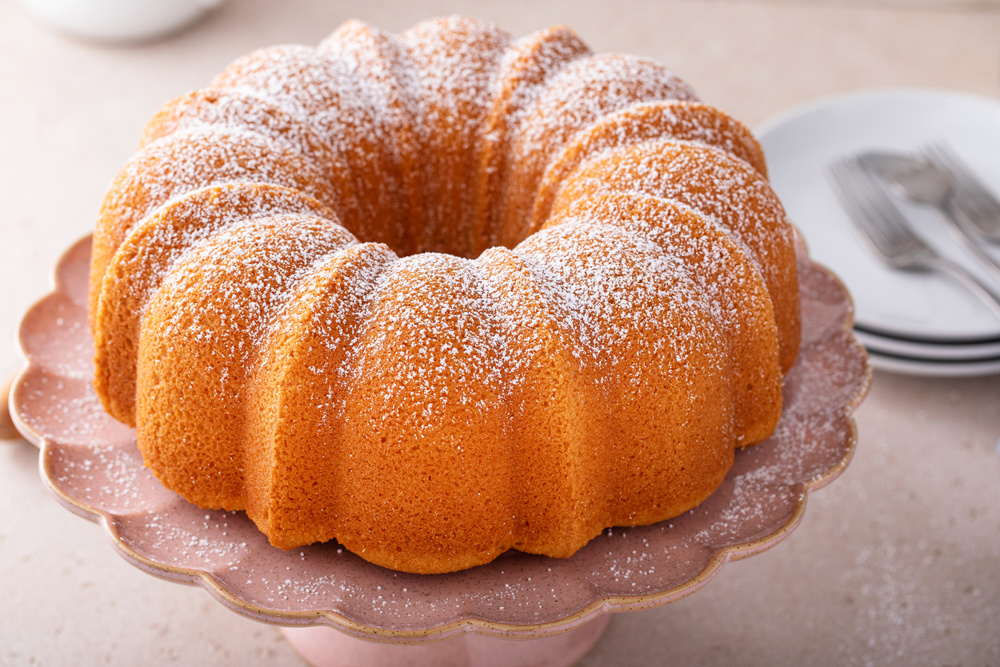
The Bake-Off Bundt Cake That Caused a Nationwide Pan Shortage
Few recipes demonstrate the cultural power of the Bake-Off better than Ella Rita Helfrich’s Tunnel of Fudge Cake. Although the recipe only placed second in the 1966 competition, it triggered one of the most famous kitchen-product crazes in American food history.
Before the contest, Bundt pans were relatively obscure specialty cookware produced primarily by Nordic Ware. Sales were weak enough that the company considered discontinuing the product entirely. Everything changed after Pillsbury published Helfrich’s recipe nationally. Consumers rushed to purchase Bundt pans so aggressively that stores struggled to keep them stocked.
Nordic Ware eventually produced tens of thousands of pans daily just to meet demand. The visual uniqueness of the Bundt cake mattered enormously too. Television, magazines, and advertisements increasingly rewarded photogenic food presentation during the 1960s, and the Bundt pan produced instantly recognizable desserts that looked elegant without requiring professional decorating skills.
Check out MrPopCulture.com and learn more about pop culture trends in baking.
How Pillsbury's Refrigerated Dough Changed Everyday Baking
One of Pillsbury’s biggest cultural contributions came through convenience technology. Refrigerated dough fundamentally changed how Americans approached baking by reducing preparation time dramatically.
Before prepackaged dough, biscuits and rolls typically required measuring, mixing, kneading, and waiting. Pillsbury’s refrigerated dough tubes simplified the process into something nearly instantaneous. The company’s pull-apart canister design, introduced in the late 1950s, became iconic partly because it transformed baking into a sensory experience. The popping sound itself became associated with comfort, anticipation, and family meals.
More importantly, refrigerated dough aligned perfectly with postwar suburban life. As family schedules accelerated and convenience products expanded across grocery stores, Pillsbury positioned itself as a way to preserve homemade cooking aesthetics without requiring extensive labor.
How the Pillsbury Doughboy Became a Cultural Icon
When Rudy Perz sat at his kitchen table in spring 1965, he'd no idea a simple piece of refrigerated dough would inspire one of advertising's most beloved mascots. Watching dough pop from a Pillsbury can, he envisioned Poppin' Fresh, a cheerful character that debuted on TV that November via stop-motion claymation.
You can trace the Doughboy's success through raw numbers: 87% consumer recognition by 1968, 200 weekly fan letters, and over 600 commercials selling 50 products. His belly-poke giggle became a cultural shorthand for warmth and comfort, fueling powerful nostalgia branding across generations.
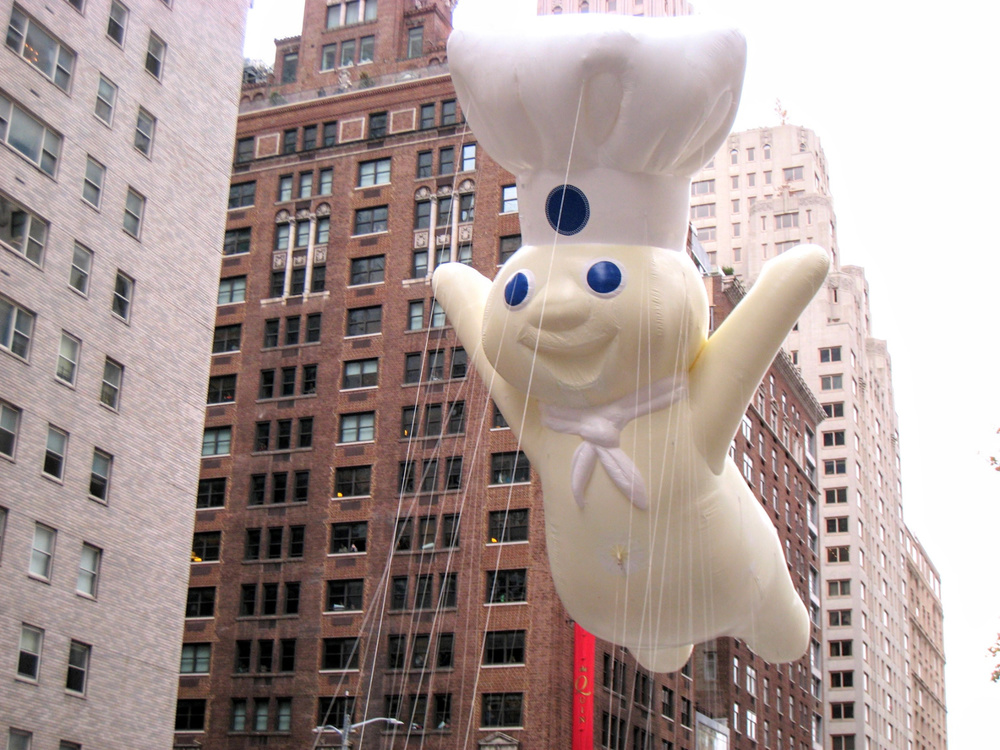
His character evolution stretched from refrigerator-can novelty to Macy's Parade fixture, merchandise icon, and pop culture punchline on The Simpsons and Family Guy, cementing his place beyond advertising entirely. Some researchers have suggested an alternative origin, pointing to Wynn "Wilky" Wilkins, a Springfield Pillsbury plant worker and artist who allegedly created a doughboy sketch in the late 1950s or early 1960s that may have traveled to Minneapolis headquarters before Perz's 1965 creation.
How the Bake-Off Paved the Way for Cooking Competition TV
Long before MasterChef, Top Chef, or The Great British Bake Off, Pillsbury proved that competitive cooking could function as mass entertainment. The Bake-Off introduced many elements modern audiences now associate with cooking competition television:
- timed preparation
- emotional storytelling
- amateur contestants
- high-pressure judging
- audience investment
- recipe innovation
- personal backstories
Contestants competed publicly while representing family traditions, regional cooking styles, and personal creativity. The emotional stakes felt relatable because the participants were ordinary people rather than elite culinary professionals. This format transformed cooking from private domestic labor into public spectacle. Audiences watched baking become dramatic, competitive, and personality-driven.
How Pillsbury Helped Shape Suburban Kitchen Culture
Pillsbury’s rise coincided directly with the growth of postwar suburban America, where kitchens became increasingly central to family identity and domestic performance. As suburban homeownership expanded during the 1950s and 1960s, corporations aggressively marketed kitchens as emotional centers of middle-class life.
Pillsbury products fit perfectly into this environment because they balanced convenience with the appearance of homemade care. The company’s recipes often emphasized gatherings, holidays, school events, and entertaining guests, reinforcing the idea that baking helped maintain social connection within suburban communities.
Kitchen appliances, packaged ingredients, and branded recipes became status markers as well. A modern, well-equipped kitchen reflected upward mobility and participation in postwar consumer culture. Pillsbury therefore influenced more than cooking itself. It helped shape the emotional aesthetics of suburban domestic life.
From White Chocolate to Air Fryers: How Bake-Off Still Sets Baking Trends
The Bake-Off continued shaping food trends long after its earliest decades. Ingredients, appliances, and techniques featured in winning recipes frequently spread into mainstream grocery culture afterward. During the 1990s, repeated appearances of white chocolate in contest recipes helped push the ingredient further into everyday desserts and grocery demand.
Chile-and-chocolate pairings appeared in Bake-Off experimentation before becoming widely popularized commercially. More recently, the competition adapted to changing appliance culture. Pillsbury’s 2022 “Ovens Off” competition emphasized air fryer recipes, reflecting modern interest in faster, smaller-scale kitchen technology.
This adaptability explains why the Bake-Off remained culturally relevant for so long. The competition continuously evolved alongside changing domestic habits while preserving its core identity around accessible home cooking.
How Pillsbury Turned Baking Into Participatory Pop Culture
Perhaps Pillsbury’s biggest cultural achievement was transforming baking from isolated domestic labor into shared participatory culture. The company encouraged ordinary consumers not just to purchase products, but to:
- submit recipes
- experiment creatively
- compete publicly
- share traditions
- follow trends
- participate in food conversations
That structure resembles many forms of modern internet culture today. Recipe-sharing communities, food influencers, TikTok cooking trends, and televised baking competitions all rely on participation rather than passive consumption. Pillsbury recognized decades earlier that audiences enjoy feeling personally involved in cultural production.
Baking became entertainment partly because Pillsbury made it social, visible, and emotionally rewarding. The company helped turn kitchens into cultural stages where creativity, nostalgia, competition, convenience, and identity all intersected simultaneously.
Conclusion
Pillsbury changed American culture by transforming baking from routine household labor into mass entertainment, participatory competition, and emotional lifestyle branding. Through the Bake-Off, refrigerated dough innovations, memorable mascots, and trend-driven recipes, the company reshaped how people cooked, shopped, entertained, and connected through food.
More importantly, Pillsbury helped turn ordinary home cooking into something culturally visible. The company gave everyday bakers national recognition, influenced kitchen technology and grocery trends, and laid the groundwork for modern cooking competition media long before celebrity chefs dominated television. Its influence survives not simply in recipes or products, but in the way baking itself became part of mainstream pop culture.