A Year-Round Baking Calendar for Dessert Lovers
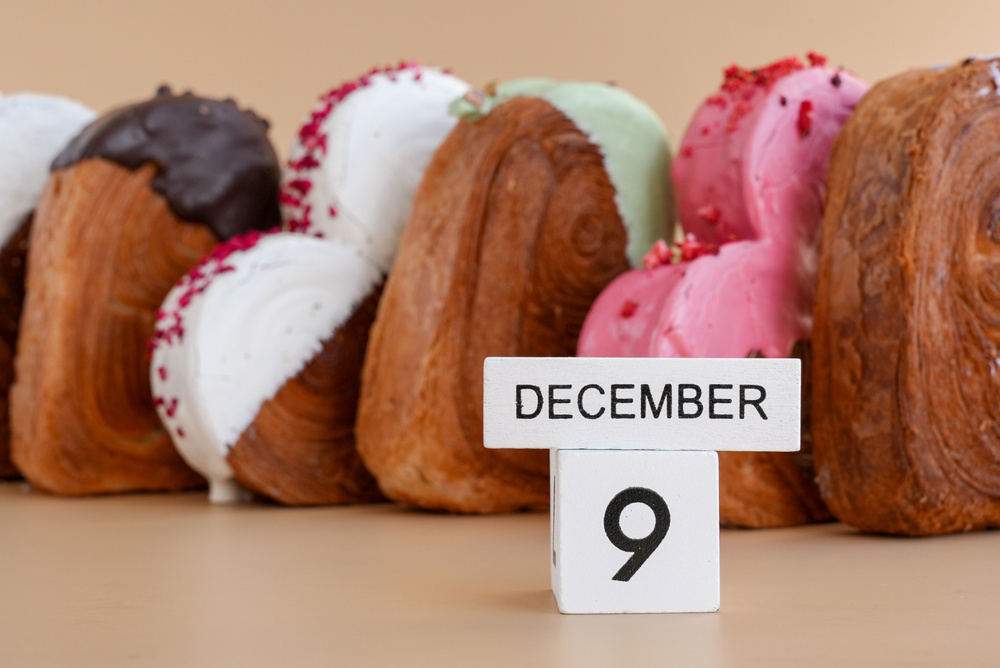
A year-round baking calendar does more than organize recipes — it gives the entire year a rhythm. Certain desserts arrive with specific seasons so consistently that they become emotional markers: pumpkin bread means fall has started, berry cobblers signal summer, and December cookies turn kitchens into gathering spaces almost automatically.
That’s what makes baking calendars so appealing. They transform ordinary months into something anticipatory and seasonal, creating small traditions people return to year after year. What starts as dessert planning eventually becomes part of how people celebrate weather, holidays, nostalgia, and time itself.
January Baking Holidays Worth Celebrating This Winter
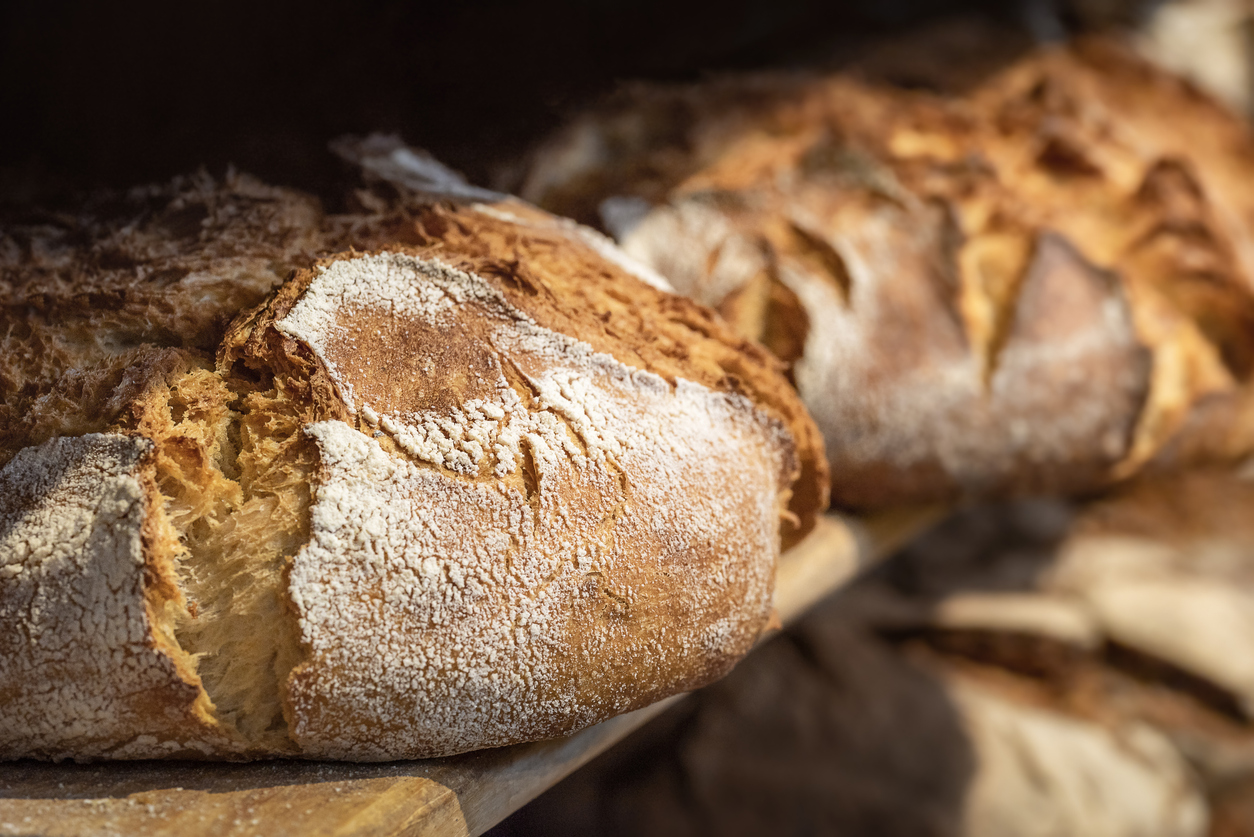
January baking revolves around comfort. After the overstimulation of the holiday season, winter desserts become slower, warmer, and more nostalgic. National Baking Month, National Wheat Bread Month, and National Bread Machine Baking Month all land in January for good reason — this is the season when people naturally gravitate toward homemade bread, dense cakes, and cozy pastries.
The month opens with National Cream Puff Day on January 2 and National Shortbread Day on January 6, both perfect for cold-weather baking projects that feel indulgent without requiring major holiday-level preparation. Mid-January brings National Marzipan Day and eventually National Pie Day on the 24th, which continues to hold surprising cultural popularity despite pie being more heavily associated with fall.
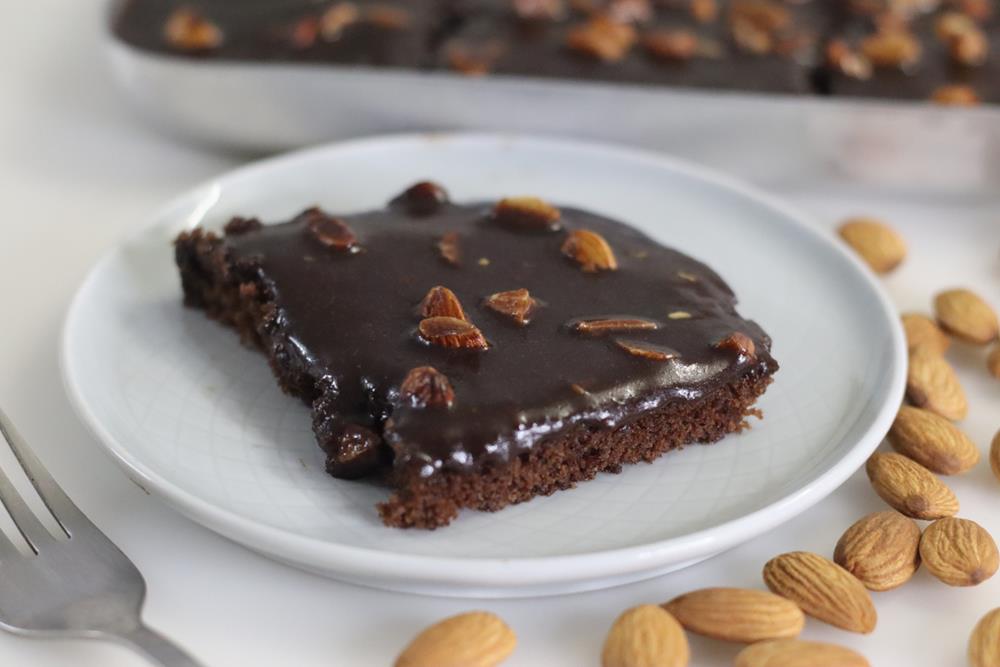
National Chocolate Cake Day on January 27 and National Hot Chocolate Day on January 31 close the month with desserts built around warmth and familiarity. That emotional shift matters because baking often functions psychologically as seasonal reset behavior. Winter baking creates routine after the chaos of December while also reinforcing indoor rituals associated with colder weather.
February Desserts That Go Beyond Valentine's Day
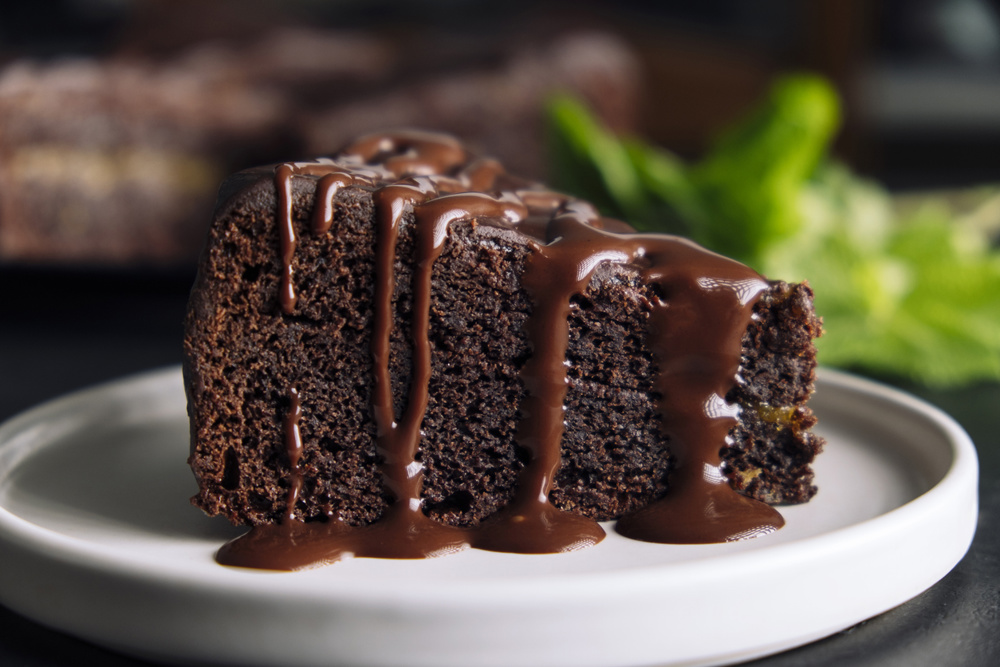
February is packed with baking holidays that stretch well beyond Valentine's Day, giving you a full month's worth of sweet inspiration. Practice thoughtful chocolate stewardship by choosing recipes that maximize impact with minimal ingredients—flourless chocolate cakes, molten lava cakes, and small-batch cupcakes all deliver rich results without waste.
Make-ahead options like chocolate molten lava cakes simplify entertaining, while double chocolate muffins require no mixer and come together quickly. Embrace fruit-forward presentations by layering fresh raspberries into crinkle cookies, garnishing flourless cakes with fresh berries, or swapping espresso tiramisu for limoncello-soaked ladyfingers with lemon curd.
February's shortest-month energy also invites bread-making—try Vermont whole wheat oatmeal honey bread, which yields two freezer-friendly loaves. For an enriched loaf with deep chocolate flavor, consider a chocolate sourdough babka, which relies on a ripe sourdough starter for natural leavening.
March Baking Holidays When Three Fall in the Same Week
March delivers one of the busiest stretches on the baking calendar when National Coconut Torte Day, Pi Day, and St. Patrick’s Day all arrive within days of each other. Few weeks encourage more concentrated dessert planning than mid-March.
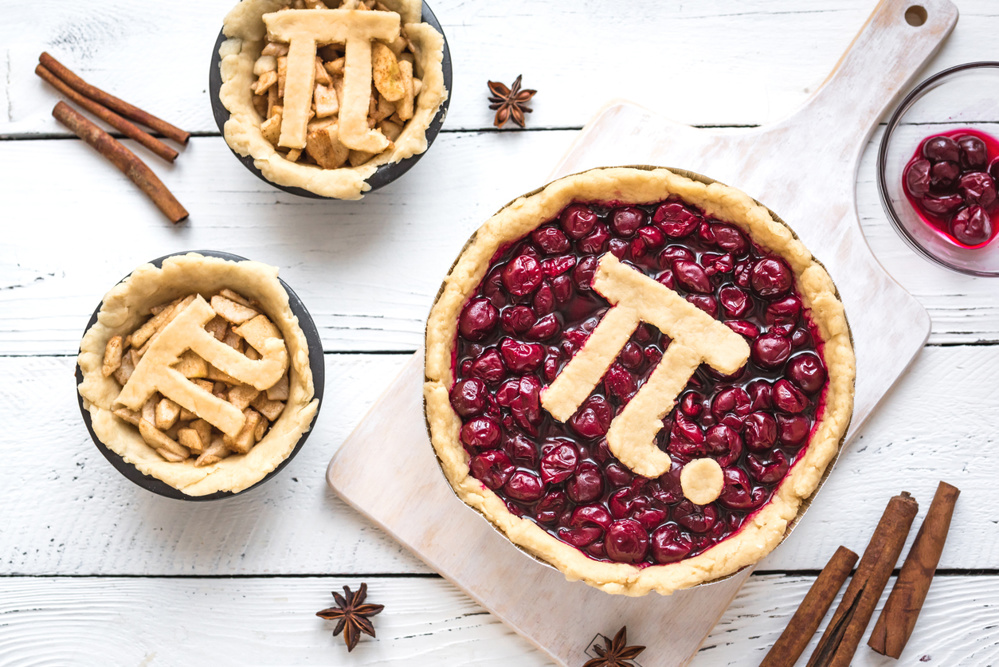
- Pi Day on March 14 has evolved far beyond a math joke into a full-scale internet baking tradition. Social media now floods with lattice crusts, fruit pies, hand pies, and elaborate decorative pastry work every year. The holiday works especially well online because pie combines visual appeal with nostalgic familiarity.
- St. Patrick’s Day follows almost immediately afterward, bringing Irish soda bread, Guinness cakes, green velvet cupcakes, and mint-heavy desserts into the seasonal rotation. Coconut tortes earlier in the week add another layer of spring transition baking before heavier winter flavors begin fading.
March also reflects how internet food culture increasingly amplifies minor holidays into full baking events. Pi Day in particular barely existed as a mainstream baking occasion several decades ago, but online sharing culture transformed it into one of the most recognizable dessert-themed dates of the year.
May and June Baking Holidays You're Probably Overlooking
May and June are often overlooked on baking calendars because they sit between the coziness of winter baking and the visual excitement of fall dessert season. Yet these months quietly produce some of the year’s best ingredient-driven desserts. National Apple Pie Day, Strawberry-Rhubarb Pie Day, and Blueberry Cheesecake Day all land during late spring and early summer, perfectly aligning with seasonal produce availability.
Strawberry-rhubarb desserts especially represent a seasonal transition because they combine lingering tartness from colder months with the freshness associated with summer fruit. Cobblers, crisps, and berry pies begin dominating kitchen tables during this period.
May also includes World Baking Day, which reflects how baking itself increasingly functions as a hobby identity rather than simply household labor. Social media platforms like TikTok, Instagram, and Pinterest heavily influence this shift by encouraging aesthetically pleasing desserts designed partly for visual sharing online. The emotional tone of baking changes alongside the weather.
Design your own event calendar to share important dates with friends or your community
July and August Baking Holidays Built for Summer Gatherings
Summer baking works differently from every other season because heat changes both cooking habits and social behavior. July and August desserts are heavily shaped by cookouts, outdoor gatherings, vacations, and produce at peak ripeness.
Berry tarts, peach cobblers, lemon desserts, icebox cakes, and no-bake cheesecakes dominate summer baking culture because they feel lighter and easier during hot weather. Patriotic desserts become especially visible around the Fourth of July, when red, white, and blue cakes, berry pies, and layered trifles flood social media feeds. Presentation matters heavily during summer because desserts frequently appear at larger gatherings.
This is also the season where baking becomes strongly tied to aesthetics online. Fruit-focused desserts photograph beautifully, making summer baking especially dominant across Instagram and Pinterest food culture. Summer baking is less about coziness and more about abundance.
September and October Baking Holidays for Fall Flavor Season
When September arrives, fall baking season kicks into high gear with a packed calendar of holidays and flavor-forward occasions. You'll find Apple Traditions shining through Labor Day cider donuts, National Apple Month babka, and harvest desserts. Pumpkin Pairings take over by the Autumn Equinox, blending warm spices into breads, pies, and Halloween treats.
October keeps your oven busy with:
- World Bread Day (October 16): Bake spiced pumpkin or apple quick breads.
- National Dessert Day (October 8): Try no-egg oat-based fall indulgences.
- Halloween (October 31): Create pumpkin chocolate desserts and spooky treats.
Plan your cinnamon and maple ingredients early so you're ready when the season shifts. Fortunately, canned pumpkin is available year-round, meaning you can recreate your favorite fall recipes even outside the traditional autumn window.
November and December Baking Holidays Packed into Two Months
November and December remain the busiest baking months of the year because they combine holidays, gatherings, travel, gifting, and nostalgia into one continuous dessert season. National Bundt Day, Homemade Bread Day, Bake Cookies Day, and Gingerbread Decorating Day all contribute to a nonstop sequence of baking occasions stretching from Thanksgiving through New Year’s celebrations.
The emotional role of baking intensifies during these months because desserts become closely tied to memory-making itself. Recipes passed between generations often reappear only once a year, making the act of baking feel ceremonial rather than routine.
November and December baking also reflect how food helps structure celebration. Even people who rarely bake during the rest of the year often participate during the holidays because desserts feel socially expected. The oven becomes part of the season’s atmosphere.
How Holiday Baking Became a Group Activity Again
One of the biggest shifts in modern baking culture is the return of communal baking experiences. Cookie swaps, baking parties, family decorating nights, and group recipe challenges have all grown significantly in popularity over the last decade.
Part of this comes from nostalgia. Many people associate holiday baking with childhood memories and now attempt to recreate those traditions socially with friends, partners, or children. But internet culture also contributed heavily to this resurgence. Platforms like TikTok and YouTube normalized collaborative baking as entertainment, making group baking feel visually appealing and socially rewarding.
Holiday baking now frequently functions as a social activity, a seasonal tradition, a creative hobby, and a form of emotional connection all at once. This shift helped baking feel less isolated than older domestic stereotypes associated with kitchen labor. Instead, baking increasingly resembles participatory lifestyle culture centered around shared experiences. The desserts matter, but the atmosphere surrounding them often matters more.
Which National Baking Holidays Fall Close Enough to Double Up
Baking holidays cluster together more often than you'd think, and knowing which ones fall within a day or two of each other lets you plan bigger baking sessions without doubling your prep time. These Pastry Pairings make perfect Bake Along Challenges for you and your crew.
Smart holiday pairings worth scheduling:
- July 31 & August 1 – National Raspberry Cake Day flows directly into National Raspberry Cream Pie Day, making raspberry your weekend theme
- March 2 & March 4 – National Banana Cream Pie Day and National Pound Cake Day sit just two days apart
- September 14 & September 15 – National Cream Filled Donut Day and Butterscotch Cinnamon Pie Day land back-to-back
Stack these dates intentionally, and you'll bake smarter, not harder. If you want all 365 food holidays mapped out in one place, a dedicated wall calendar keeps every date visible and within reach all year long.
Why Baking Calendars Create Emotional Routine
Part of the appeal of a year-round baking calendar is psychological. Seasonal baking helps people structure time emotionally, especially during years that otherwise blur together through repetitive routines. Certain desserts create anticipation automatically. Apple pie signals fall. Gingerbread signals winter holidays. Berry cobblers suggest summer. These recipes function almost like sensory landmarks throughout the year.
That consistency creates comfort because recurring baking traditions make time feel cyclical rather than chaotic. Many people return to the same recipes annually not because they lack creativity, but because repetition itself becomes emotionally meaningful.
Baking calendars also encourage mindfulness in a subtle way. Seasonal recipes force attention toward weather, produce availability, holidays, and changing routines instead of treating every month identically. Food becomes a way of noticing time passing. In that sense, baking calendars are not just organizational tools — they are emotional frameworks for experiencing the year itself.
How to Prep for Back-to-Back National Food Holidays
Back-to-back baking holidays don't have to mean back-to-back chaos. With staggered prep, you can batch pumpkin puree for October 21's Cheesecake and October 26's Pumpkin Day simultaneously, cutting redundant work. Pre-measure nuts ahead of October 22 Nut Day, then carry those portions into related recipes without starting over.
Overlap menus work best when you align equipment needs early. Piping bags prepped for October 21 serve double duty on October 23's Boston Cream Pie. Shifted staffing lets you assign cooling rack setup for August 20's Chocolate Pecan Pie while someone else preps August 21's Pecan Torte components.
Lean on ingredient swaps where recipes share bases—fudge batches made for May 12 extend naturally into July clusters, keeping your workflow tight and your kitchen efficient. When researching which holidays are coming up, Chases Calendar of Events is a reliable compendium that publishes official food holidays throughout the year.
Conclusion
A year-round baking calendar ultimately becomes about more than desserts. It creates seasonal rhythm in everyday life, turning ordinary weeks into moments people anticipate through flavor, tradition, and atmosphere. Certain recipes return so consistently that they begin functioning like emotional landmarks, marking the transition between seasons, holidays, and personal routines.
That’s why baking calendars continue resonating across generations. They combine nostalgia with creativity, structure with spontaneity, and comfort with celebration. Whether it’s a January loaf of bread, a summer berry cobbler, or a tray of December cookies, baking gives each part of the year its own identity — one recipe at a time.